AEO Expert Witness · Scott Steinberg

Answer Engine Optimization Expert Witness (AEO)

Scott Steinberg is a testifying and consulting answer engine optimization expert witness on areas like AI, automation, search engines, online, Web, Internet, and how businesses, products and content are surfaced, described and credited inside AI-generated answers. A consultant to more than 3,000 brands across 25 years of marketing, technology and digital strategy practice, he provides answer engine optimization expert witness trial testifying, reports and consulting for law firms.

Reports, declarations, deposition and trial testimony on items such as AI answer visibility and brand representation, citation and attribution, AEO service representations and standard of practice, structured data implementation, measurement methodology and the commercial effect of visibility change. Engagements are accepted from either side, and the answer engine optimization expert witness analysis is objective.

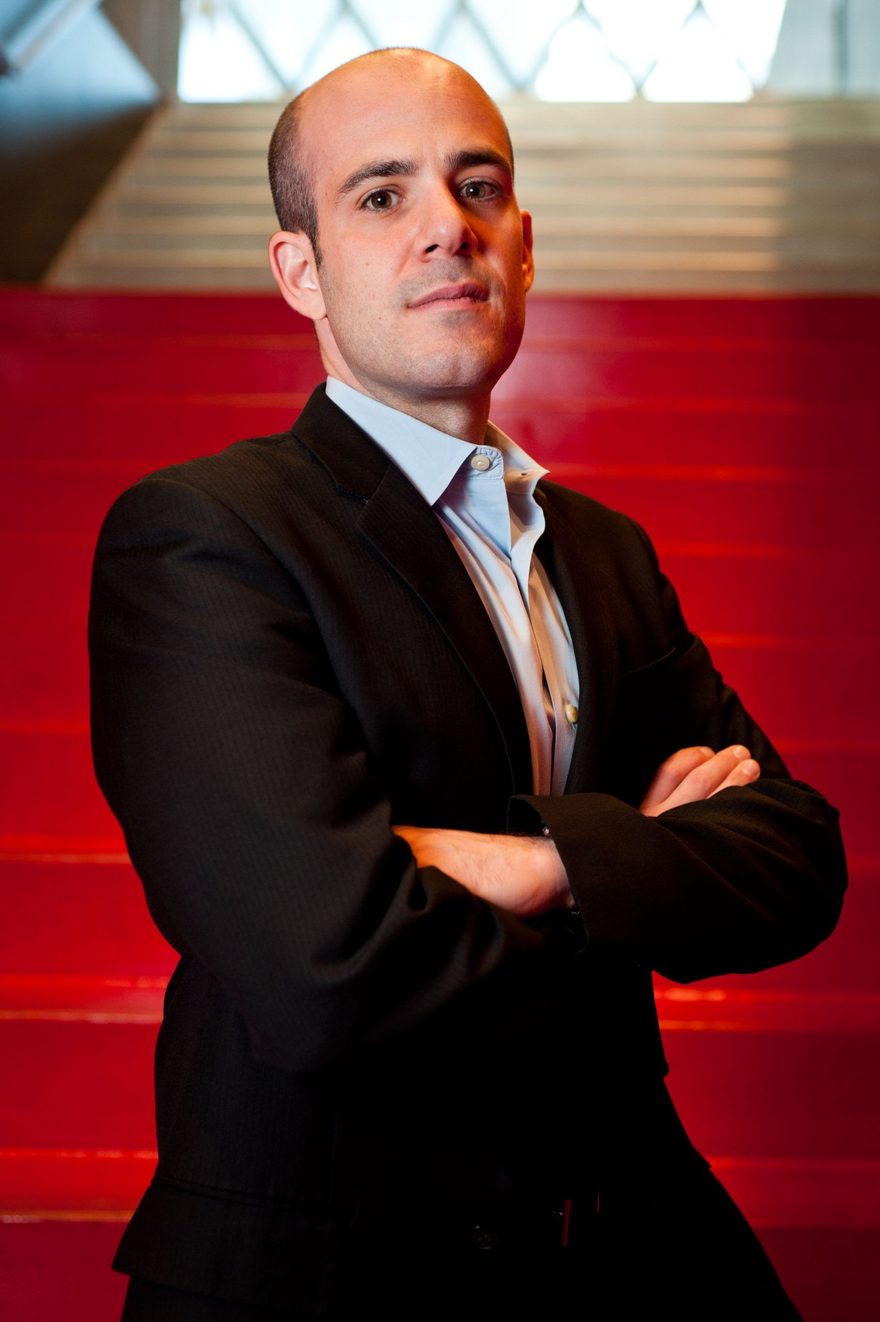
Scott Steinberg, answer engine optimization expert witness and digital strategy analyst
Scott Steinberg — AEO expert witness, analyst and digital strategy consultant.
3,000+
Businesses, startups, governments and Fortune 500 companies advised
25 years
Management, corporate governance and strategic consulting experience
30+
Books published on technology, marketing, business and innovation
5,000+
Published articles as seen in USA Today, CNN, ABC, NBC and the TODAY Show

Sample AEO Expert Witness Practice Areas

Global answer engine optimization expert witness matters often turn on two recurring questions: how particular information came to be surfaced in a generated answer, and what the field's practice supported at the time. Below are claims each area commonly arises under.

Unfair competition · commercial disparagement

Report, deposition, trial

AI answer visibility and brand representation

Disputes increasingly concern how a company, product or service is described when a user asks an AI assistant about it, and how that description came to be assembled. Online answer engine optimization expert witness testimony addresses the sources an answer engine appears to draw on for a given subject, how the underlying material was created and distributed, and what the documentary record shows about the conduct behind it.

Related AI answer visibility expert witness, brand representation in generated answers, AI Overviews analysis, assistant response sourcing, entity description disputes, generated summary provenance.

Publisher claims · contract

Report, deposition, trial

Citation, attribution and source credit

Publishers, retailers and content owners ask how their material is surfaced, credited and linked within generated answers, and what commercial arrangements govern that. Trial testifying by answer engine optimization expert witness leaders looks at attribution practice as the field understands it, how citation and linking behave across major answer engines, and what the technical and commercial record shows for a particular body of content.

Related AI citation expert witness, source attribution in generated answers, publisher referral analysis, content credit practice, answer engine linking behavior, syndication and republication.

Breach of contract · misrepresentation

Report, deposition, trial

AEO service representations and standard of practice

Engagements for AI visibility work are documented in scopes, proposals, reporting and correspondence. Research considers what the engagement contracted for, what work the record shows was performed, what results were represented, and what the field's practice supported at the relevant time for an engagement of that size and kind.

Related AEO agency expert witness, AI visibility service scope, deliverable adequacy, standard of practice in answer engine work, vendor representation analysis, engagement documentation.

Contract · professional practice

Report, deposition, trial

Structured data, schema and machine-readable content

Answer engines read markup, structured data and machine-readable signals alongside ordinary prose. Work considers how structured data was implemented on a property, how closely it corresponded to the visible content it described, and how that implementation compares to published platform documentation and prevailing practice at the time of the work.

Related structured data expert witness, schema.org implementation, product and review markup, machine-readable content practice, feed accuracy, technical implementation review.

Lanham Act §43(a) · state UDAP

Report, deposition, trial

Comparative and competitive claims in generated answers

Comparative information about competing products often reaches a user as a synthesized summary assembled from many sources at once. Reporting looks at where comparative material originated, how it entered the pool of content an answer engine draws on, and how a claim reads in the form a user actually encounters rather than in its original setting.

Related comparative claims expert witness, competitive positioning in AI answers, synthesized comparison analysis, claim origin tracing, answer engine competitive visibility.

Licensing · terms of service

Report, deposition, trial

Content provenance, licensing and permitted use

Crawler directives, licensing arrangements and platform terms together govern how published material reaches an answer engine. The work of answer engine optimization expert witnesses reviews the technical access signals a property published and when, what the governing terms and agreements provided, and what the server and platform record shows about access and subsequent use.

Related content provenance expert witness, crawler directive analysis, robots and llms directives, content licensing practice, platform terms interpretation, access log review.

Damages methodology · class certification

Report, deposition, rebuttal

Measurement, attribution and analytics methodology

Measuring visibility inside answer engines differs from measuring search clicks, because many answers resolve for the user without a visit to any site. Reports consider which measurement approaches the field uses, what each one supports and what it leaves open, and whether an analysis in the record was constructed on a methodologically sound basis.

Related AI visibility measurement expert witness, zero-click attribution methodology, referral analytics review, prompt testing design, share of answer measurement, sampling and benchmark selection.

Damages · causation

Report, deposition, rebuttal

Commercial effect of visibility change

Where visibility inside answer engines shifts, the parties ask what commercial effect followed and over what period. Testimony addresses the industry framework for connecting visibility to commercial outcome, the data ordinarily available to support that connection, and the assumptions on which a given analysis rests. Formal economic computation pairs naturally with a damages economist.

Related digital visibility damages expert witness, traffic and revenue attribution, causation framework, baseline and counterfactual construction, seasonality and channel mix.

DTSA · state UTSA · employee mobility

Report, deposition, trial

Methodology, process and trade secret claims

Firms describe prompt libraries, content pipelines, testing frameworks and visibility playbooks as proprietary. An answer engine optimization expert witness evaluates what portions of a claimed methodology were generally known in the field at the relevant time, what the ordinary working toolkit of a competent practitioner contained, and how the asserted material compares to that baseline.

Related AEO trade secret expert witness, prompt library claims, methodology independent development, generally known practice, practitioner toolkit, departing employee matters.

FTC Act §5 · platform guidelines

Report, deposition, trial

Platform guidance and disclosure practice

Major platforms publish documentation covering content, structured data and automated generation, and advertising regulators publish guidance on disclosure of material connections. SMEs and KOLs discuss what that published guidance provided at the relevant time, how practitioners in the field read and applied it, and how the conduct in the record compares to that understanding.

Related platform policy expert witness, published guidance interpretation, automation and generated content policy, material connection disclosure, endorsement guidance, documentation history.

Types of Subject Matter Covered

Matters draw on the working vocabulary of the field. The areas below recur across engagements and often appear together in a single dispute.

  • AI Overviews and generated summaries
  • Large language model answer behavior
  • Retrieval-augmented generation
  • Schema.org and structured data
  • Crawler directives and access controls
  • Knowledge panels and entity data
  • Brand entity resolution
  • Zero-click search behavior
  • Citation and referral analytics
  • Prompt testing methodology
  • Share of answer measurement
  • AI visibility auditing
  • Content syndication and republication
  • Review and ratings aggregation
  • Product feed and catalog data
  • Conversational and agentic commerce
  • Publisher licensing arrangements
  • Platform documentation history

How Engagements Are Structured

Answer engine output is generated at the moment of the query rather than stored as a page, so capturing responses contemporaneously is valuable early in a matter.

Expert reports and declarations

Written opinions on how information was surfaced and credited, on implementation and practice, and on the soundness of measurement and attribution methodology.

Deposition and trial testimony

Testimony explaining how answer engines assemble responses, what the record shows about a party's practice, and how that compares to the field at the relevant time.

Rebuttal and methodology review

Responsive analysis of an opposing expert's prompt design, sampling approach, benchmark selection and attribution model, together with the inferences drawn from them.

Consulting-only support

Non-testifying case assessment, industry background for counsel, review of engagement and analytics records, and deposition question preparation, without a disclosed report.

Early case assessment

A read on what the available record is likely to support before significant expense is committed, including which technical artifacts are worth pursuing in discovery.

Discovery scoping and preservation

Guidance on the data sources, platform exports, server records and contemporaneous captures that are most useful to request, and the order in which to seek them.

Working with counsel

The practical questions that usually come first, answered up front.

ConflictsA conflicts check is run before any substantive discussion. Party names and a one-line description of the dispute are enough to start it.
Initial conversationConversations about scope, timing and conflicts are without charge. Helpful detail includes the posture of the matter, the claims at issue and any expert disclosure deadline already set.
Retaining partyEngagements are accepted from plaintiff and defense alike, and from claimants and respondents in arbitration. The analysis is conducted the same way in either posture.
PreservationGenerated answers are produced fresh for each query rather than stored as pages, so contemporaneous capture of responses, prompts, timestamps and surrounding context is worth arranging early.
Materials that helpEngagement agreements and scopes, reporting delivered to the client, analytics and search console exports, crawl and access logs, structured data and site change history, and any captures already taken.
JurisdictionsEngagements accepted nationwide and internationally, in state and federal court and in arbitration.
Testimony formatDeposition and trial testimony in person or remotely, as the court and the parties prefer.
Confidential materialMaterial is handled under the protective order governing the matter. Privileged or confidential detail is best held until the conflicts check clears.
Fees and termsHourly, set in a written engagement agreement that covers rates for review, report preparation, deposition and trial, together with travel terms.

Where this practice fits

This practice addresses all manner of industry and technical subject matter types such as how answer engines assemble and present information, what practitioners in the field do and have done, how implementation and measurement work, and what a documentary record supports. Legal conclusions remain for the court, and testimony is framed accordingly.

Several adjacent specialties complement this work, and answer engine optimization expert witness matters often use them together. Counsel who tell us early which other experts are retained generally get a cleaner division of labor and a tighter report.

Biography

Scott Steinberg is an analyst, consultant and business trends expert with over 25 years of experience providing management and strategic consulting services to more than 3,000 businesses and brands ranging from startups to government agencies and Fortune 500 firms.

He has testified in sample areas including intellectual property — copyrights, trademarks and patents — patent infringement, marketing, branding, video games, mobile applications, consumer product development, and the growth and monetization of online services.

He is the author of over 30 books and has published more than five thousand articles addressing areas including but not limited to marketing, technology, leadership, innovation, advertising, digital transformation, data privacy and social networks. He appears regularly on ABC, CBS, CNN and NBC, and has led seminars and training programs for organizations including Wells Fargo, the PGA Tour, Century 21, Ford, Dell and Procter & Gamble.

His consulting work has been broadly recognized. He has served as a thought leader for the American Bar Association and Corporate Counsel magazine, and has received honors from the International Association for Scholastic Excellence, Fortune, and the 21st Century Icon Awards, among others.

Common questions from counsel

What is an answer engine optimization expert witness?

An answer engine optimization expert witness, generally speaking, is a testifying consultant who addresses how information about a business, product or publisher is surfaced, described and credited inside AI-generated answers, and what practice in the field supported at the relevant time. The work covers visibility and representation in generated responses, citation and attribution, structured data implementation, service representations and standard of practice, and the methodology behind measurement and attribution analysis.

What is answer engine optimization?

Answer engine optimization, commonly shortened to AEO, is the practice of preparing content, data and technical signals so that a business or publisher is accurately represented when AI systems generate answers for a user. Those systems include AI Overviews in search, assistants such as ChatGPT, Copilot, Claude and Perplexity, and in-product assistants on retail and review platforms. It overlaps with search engine optimization and extends it, because an answer is synthesized from many sources at once rather than presented as a list of links.

How does this differ from a search engine optimization expert?

Broadly speaking, a search engine optimization expert might address rankings, crawling, links and the traffic a results page sends to a site. An answer engine expert might look at how how information is drawn into a synthesized response, how that response credits and links its sources, and how visibility is measured when many answers resolve without a visit at all. Matters frequently involve both, and the two analyses complement one another.

Does an expert testify that a party's conduct was unlawful?

The legal conclusion is for the court. An expert addresses the factual and technical inputs: how an answer engine assembles a response, which sources the record indicates it drew on, how a party implemented its content and data, what representations were made about the work, and how all of that compares to the practice of the field at the relevant time.

What kinds of matters does this practice cover?

Unfair competition and commercial disparagement, publisher and content owner claims about attribution and referral, breach of contract and misrepresentation claims arising from AEO and AI visibility engagements, Lanham Act and state consumer protection claims involving comparative material, licensing and terms of service disputes over content access, trade secret claims over methodology, and damages and class certification questions that turn on measurement methodology.

Can AI-generated answers be preserved as evidence?

Yes, and doing it well is largely a matter of method. Because a response is generated at the moment of the query, useful captures record the exact prompt, the full response, the time and time zone, the account or session conditions, the model or product version where it is shown, and any cited links, with repeated sampling over time. Establishing that routine early gives a matter a far more workable record than reconstructing it later.

How is visibility inside answer engines measured?

Through structured prompt testing across a defined question set, repeated on a schedule and recorded consistently, together with platform referral data, server log analysis and brand mention tracking. Each method supports certain inferences and leaves others open, which is why the design of the measurement is usually where the substance of the argument sits.

Are engagements accepted from either side?

Yes. Engagements are accepted from plaintiff and defense, and from claimants and respondents in arbitration. The analysis is conducted the same way whichever party retains it, which is what makes the resulting opinion useful.

Can an expert be retained without testifying?

Yes. Consulting-only engagements cover case assessment, industry background for counsel, review of engagement records and analytics, discovery scoping, deposition question preparation and critique of an opposing expert's methodology, without a disclosed report or testimony.

What materials are most useful early in a matter?

Engagement agreements and statements of work, reporting delivered to the client, analytics and search console exports, crawl and server access logs, structured data and site change history, correspondence describing what was promised and delivered, and any captures of generated answers already taken. Early access to these shapes what the rest of discovery should pursue.

How are conflicts handled?

A conflicts check is run before any substantive discussion of a matter. An initial note listing the party names and a one-line description of the dispute is enough to start it, and privileged or confidential material is best held until the check clears.

How do we start a conversation?

Email info@futuristsspeakers.com or call 202-301-6730 with the party names, a one-line description of the dispute, the posture of the matter and any disclosure deadline already set. Initial conversations about scope, timing and conflicts are without charge.
Discuss a matter

Initial conversations about scope, timing and conflicts are without charge. Helpful detail includes the claims at issue, the posture of the matter and any expert disclosure deadline already set.

Email about a matter

Telephone
202-301-6730
Availability
Engagements accepted nationwide and internationally
Engagement types
Testifying and consulting-only

Before you send case detail

A conflicts check is run before any substantive discussion. An initial note listing the party names and a one-line description of the dispute is enough to start; please hold privileged or confidential material until the check clears.